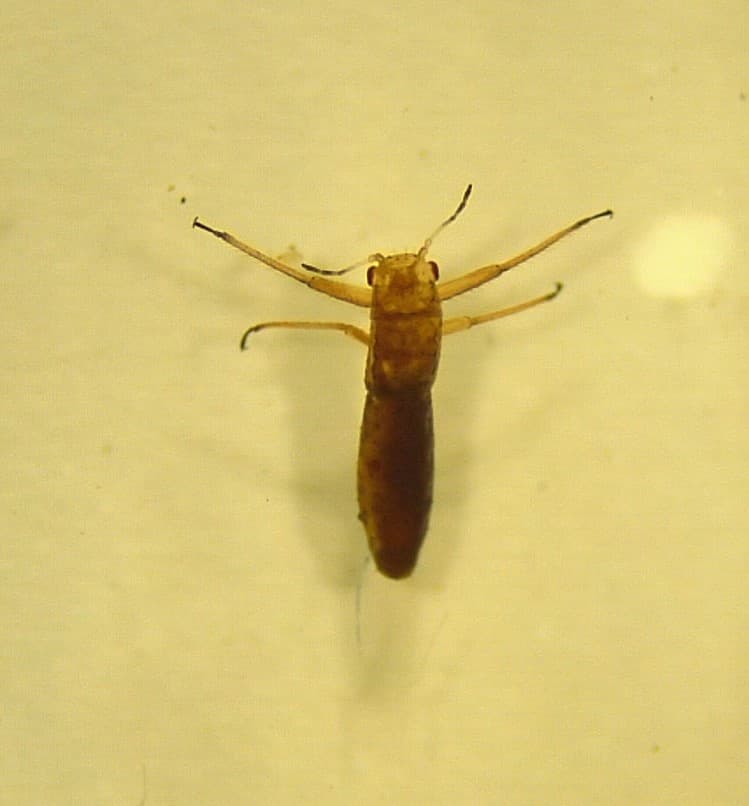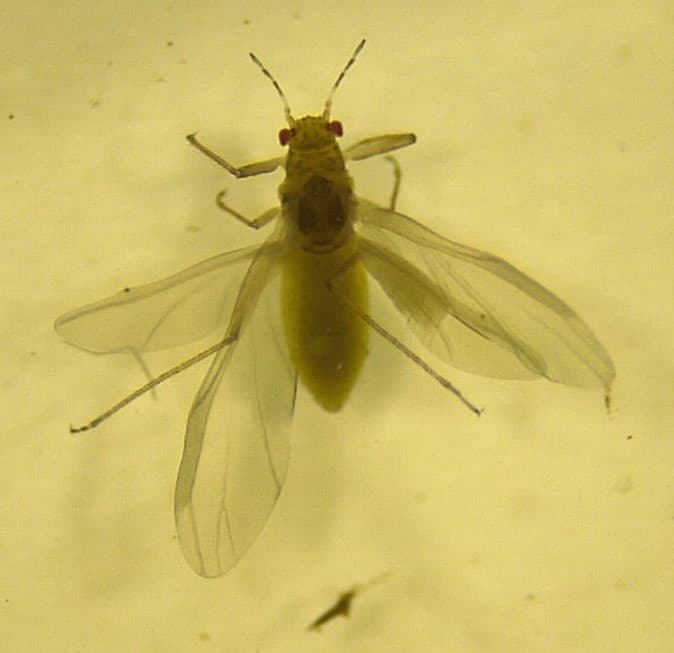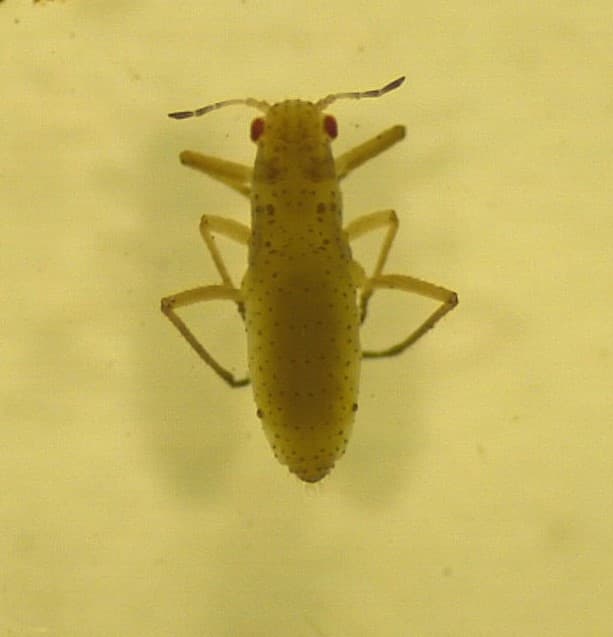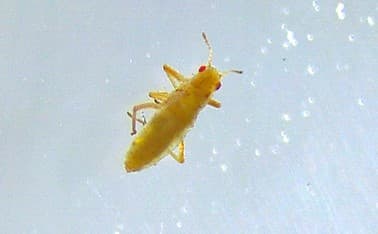
Feeding by the aphid can cause yellowing or mottling of older pine needles, sometimes in a banding pattern. This feeding not only results in crown discolouration, but high population numbers can also cause crown defoliation in some cases due to pre-mature needle drop. High aphid numbers can also affect the new needles produced during the latest season. High numbers of aphids can often be found clustering together at the base of the needles.

A Mpumalanga pine and eucalyptus plantation on rolling hills, a forester from behind measuring a trunk with a diameter tape (illustration)
01/02
Click to pause
Tree Protection Co-operative Programme
Monterey pine aphid/ Essigella californica
Essigella californica (Essig)
Common NameMonterey pine aphid/ Essigella californica
Scientific NameEssigella californica (Essig)
OriginNorth America
Distribution in South AfricaEastern Cape, KwaZulu-Natal, Limpopo, Mpumalanga
Symptoms
Biology
Esigella californica females utilize parthenogenisis (asexual reproduction). Males and the occurrence of sexual reproduction has only ever been recorded in parts of North America for the species. Due to their ability to reproduce without a partner, populations quickly build in number and multiple generations occur during a season, with females laying multiple eggs daily. When food availability becomes scarce, the adults can develop wings to aid in dispersal to new hosts or locations.
Gallery