
Fabinet Logo
Tree Protection Co-operative Programme research group

Tree Protection Co-operative Programme

Giant conifer aphid/ Cinara pinivora

Download PDF

Cinara pinivora Wilson 1919

Common NameGiant conifer aphid/ Cinara pinivora
Scientific NameCinara pinivora Wilson 1919
OriginNorth America
Distribution in South AfricaEastern Cape, KwaZulu-Natal, Mpumalanga

Symptoms

Due to their very short life cycles, populations of aphids such as Cinara pinivora can multiply rapidly on a host, leading to the formation of dense colonies. It preferentially attacks younger plants in the nursery and below the age of 4 years in the field. However, they can also attack older trees, preferentially attacking the new shoots and growth tips. 


Feeding by the aphids lead to discolouration and pre-mature needle drop. This can then further result in branch discolouration and die-back, affecting the photosynthetic capabilities of the trees resulting in stunting and reduced growth. 


In addition to the direct feeding damage caused by the aphids, they also excrete honeydew during the process of feeding. This sticky and sugary substance is an ideal substrate for fungal growth, and the presence of high numbers of aphids feeding typically goes together with the occurrence of sooty mold. 
Biology

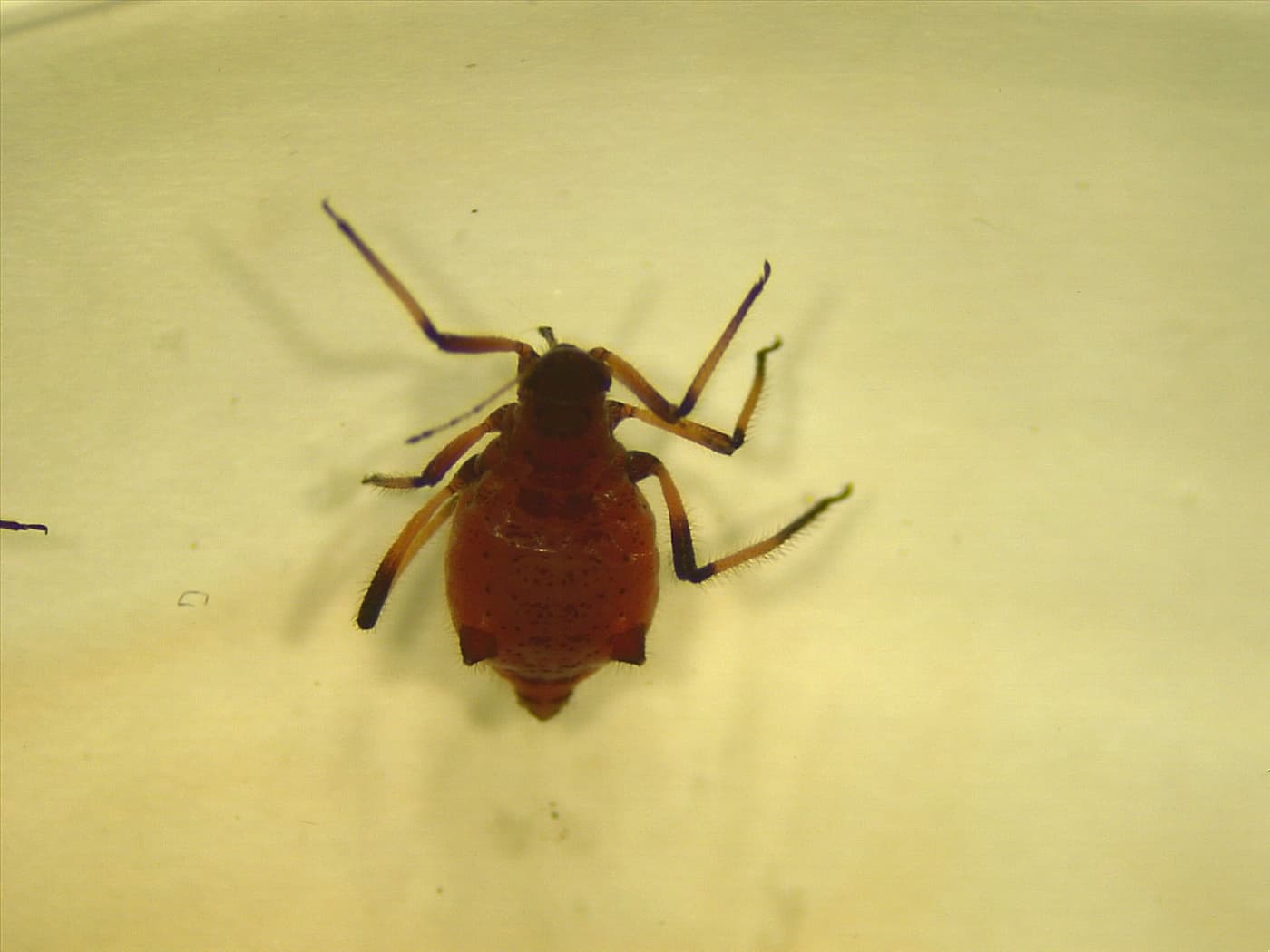
Cinara pinivora has a very short life cycle, leading to massive population growth in a very short time. Many generations can occur per season together on a single host. Extremes in temepratures, i.e. very high and very low temperatures, have a negative effect on population growth.

Gallery

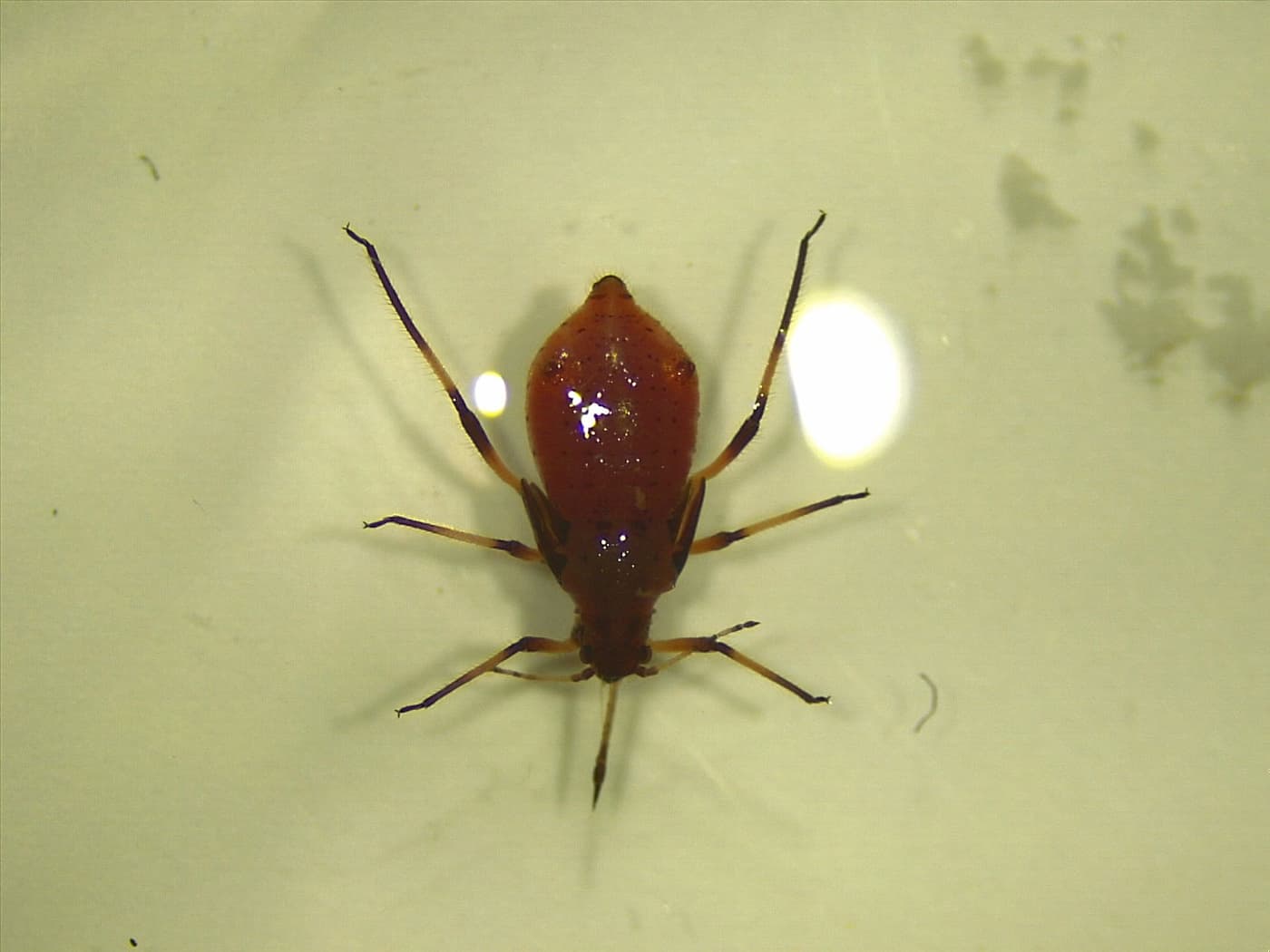
Wingless adult 1
Wingless adult 1
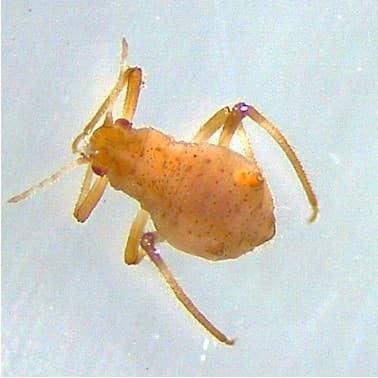
Wingless adult 2
Wingless adult 2
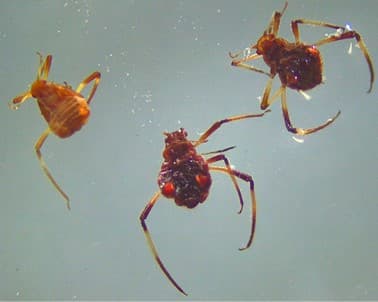
Giant conifer aphid/ Cinara pinivora
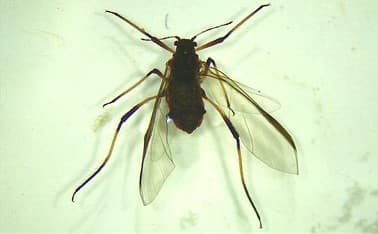
Winged Cinara pinivora adult
Cinara pinivora
Cinara pinivora