Fabinet Logo
Tree Protection Co-operative Programme research group

Tree Protection Co-operative Programme

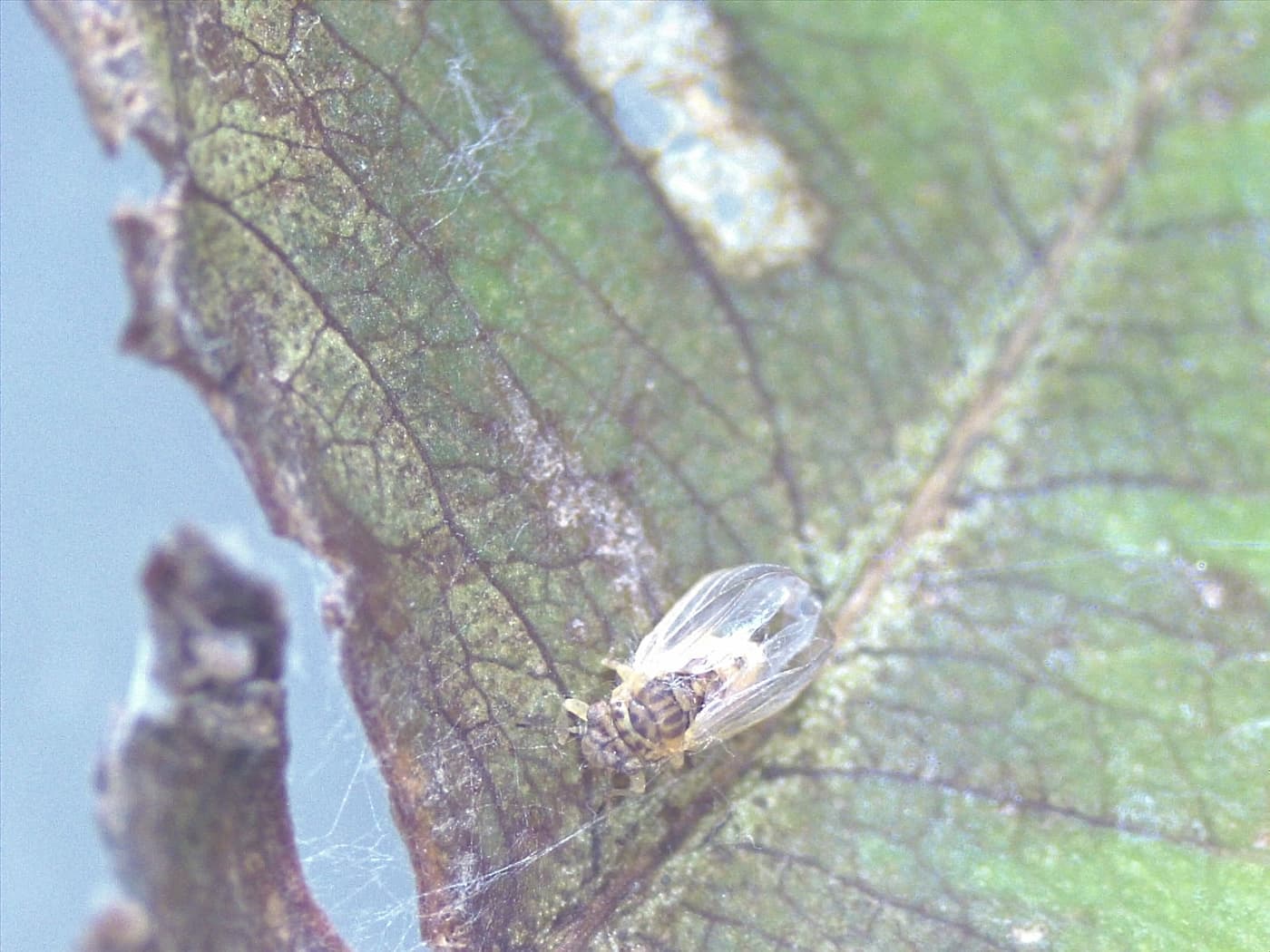
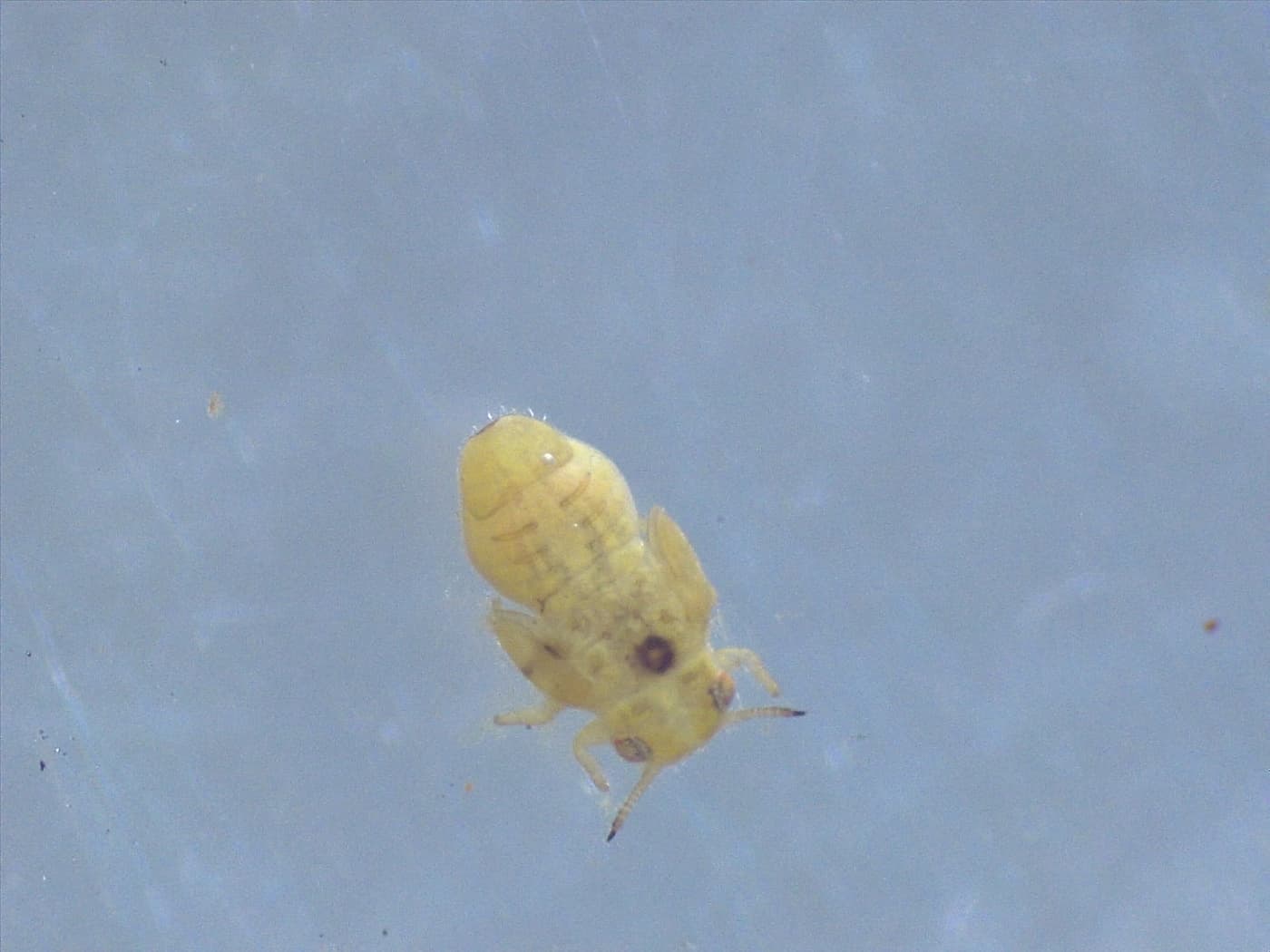
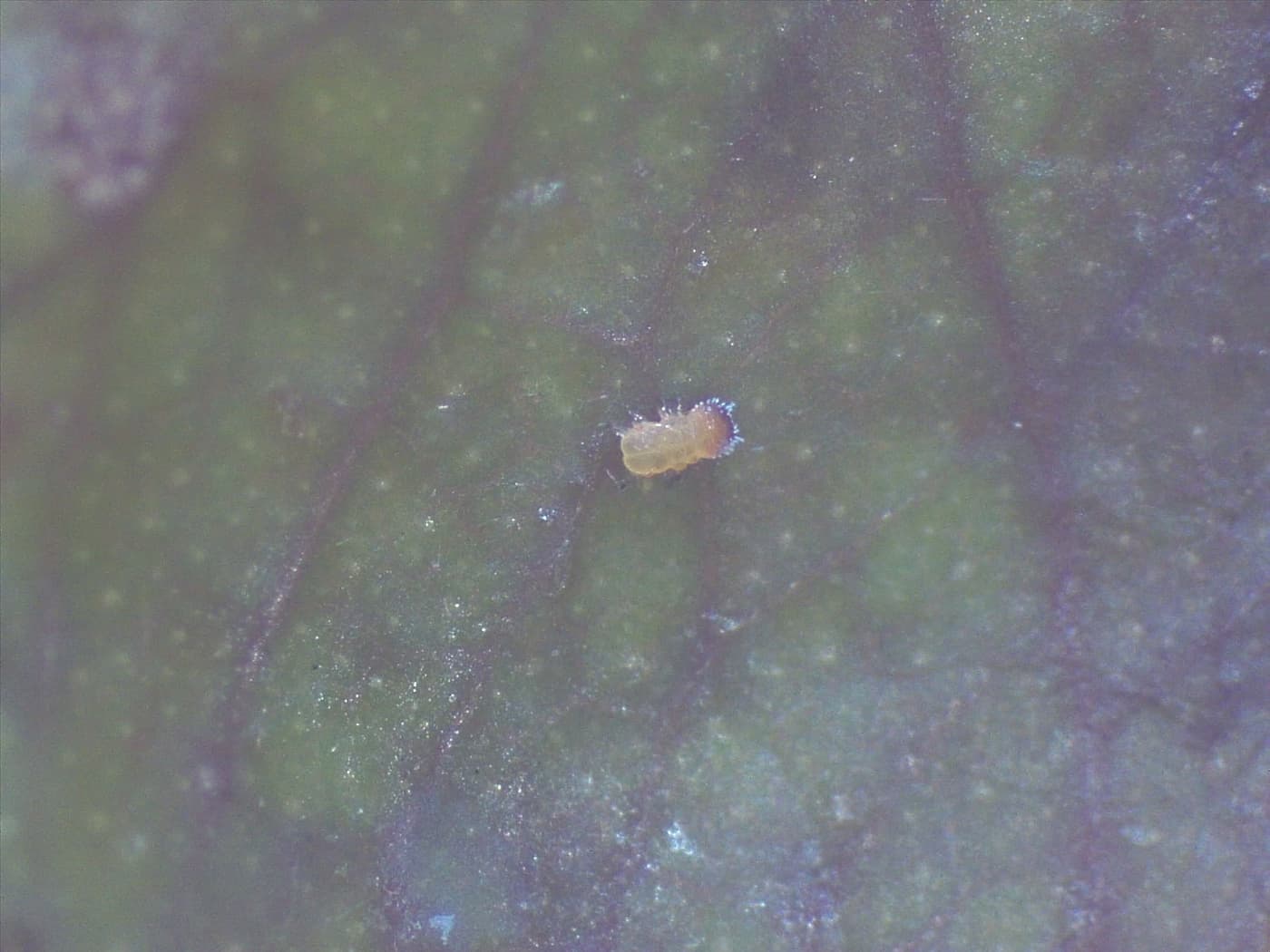
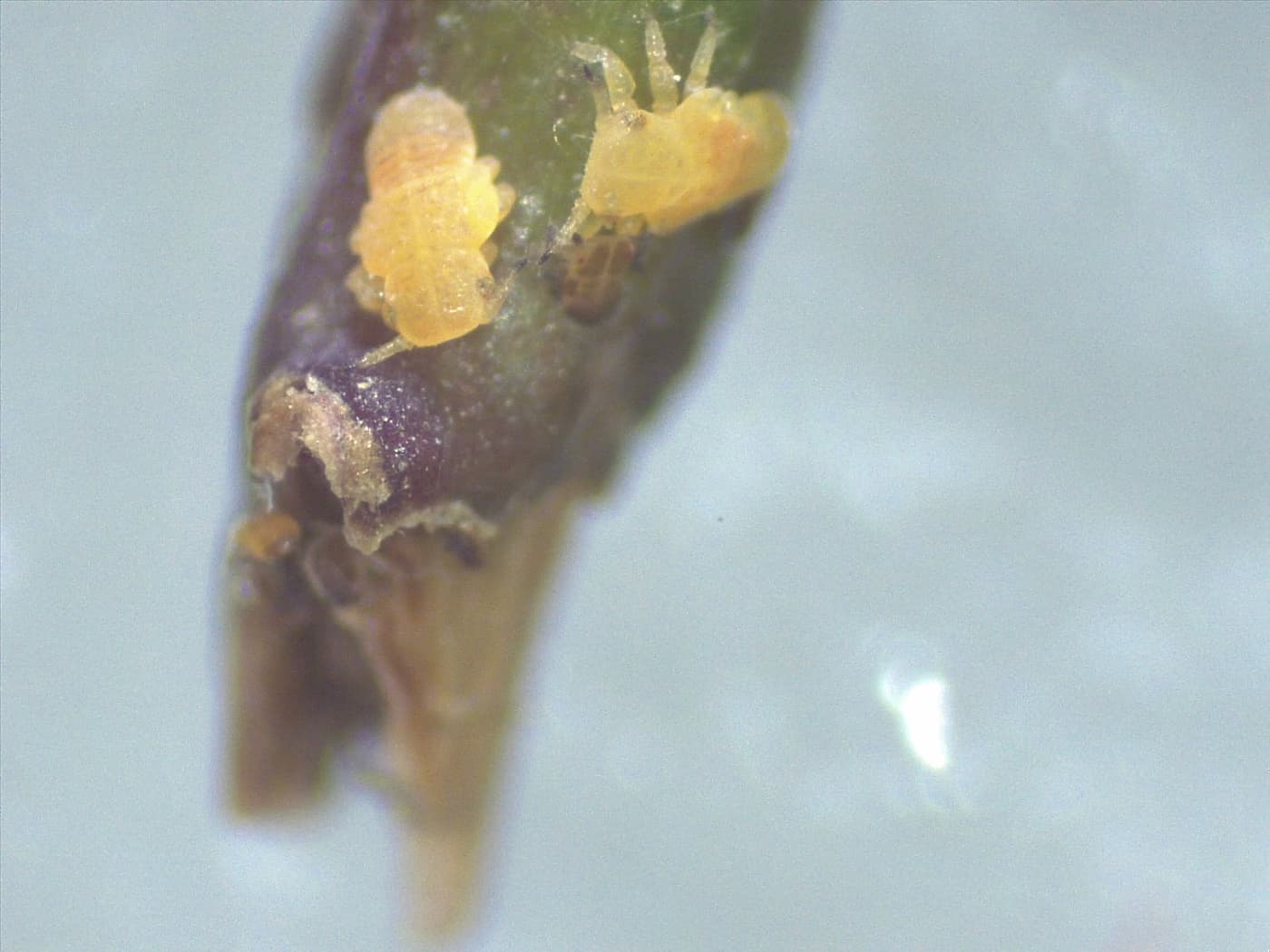
Eucalyptus shoot psyllid/ Blastopsylla occidentalis

Download PDF

Blastopsylla occidentalis

Common NameEucalyptus shoot psyllid/ Blastopsylla occidentalis
Scientific NameBlastopsylla occidentalis
OriginAustralia
Distribution in South AfricaAll Eucalyptus growing provinces

Symptoms

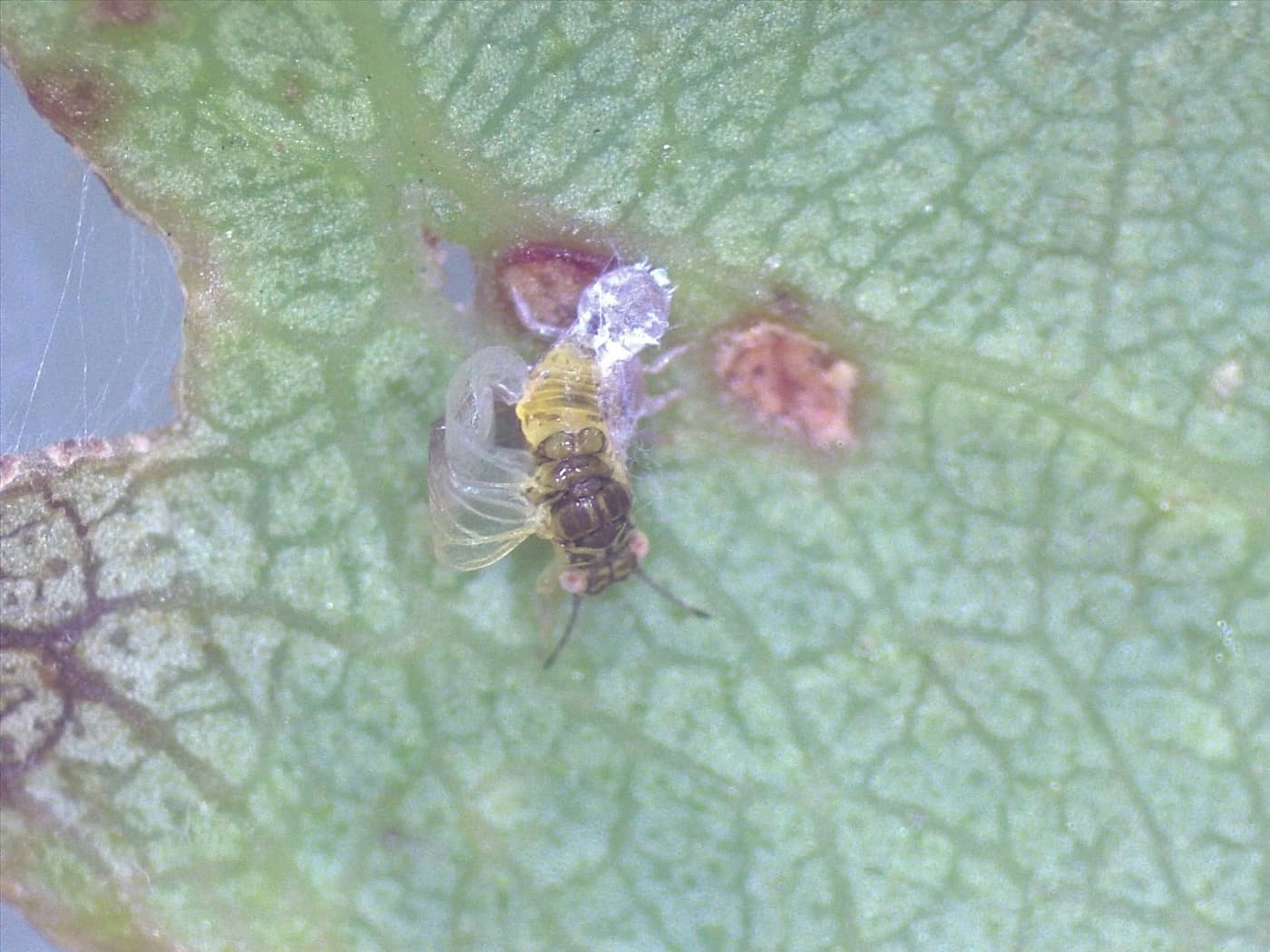
Blastopsylla occidentalis predominantly infests young Eucalyptus trees in nursery settings and newly established plantation compartments, although it can also colonize the young apical shoots of mature trees. The psyllid inflicts damage through its feeding, causing necrosis and damage to leaf tissues that often result in premature leaf drop. Severe infestations may result in partial defoliation of the trees, leading to canopy thinning. Additionally, severe infestations and high feeding damage can cause leaf malformations and death of growth tip, resulting in stunting of the trees. The excretion of honeydew promotes the growth of sooty molds on leaf surfaces, which indirectly reduces photosynthetic capability and overall tree vigor. 

(Based on de Queiroz et al. 2018)
Biology

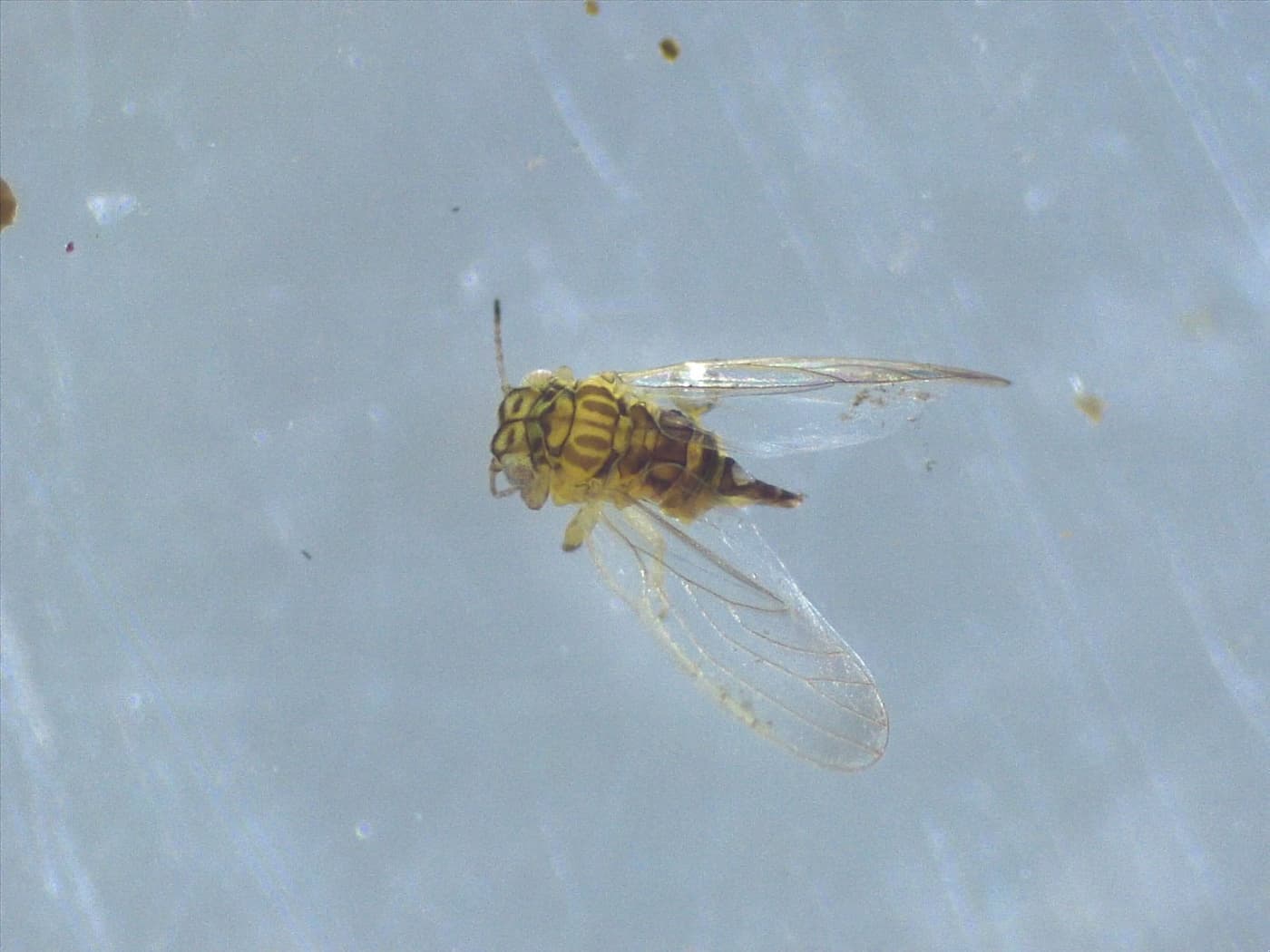
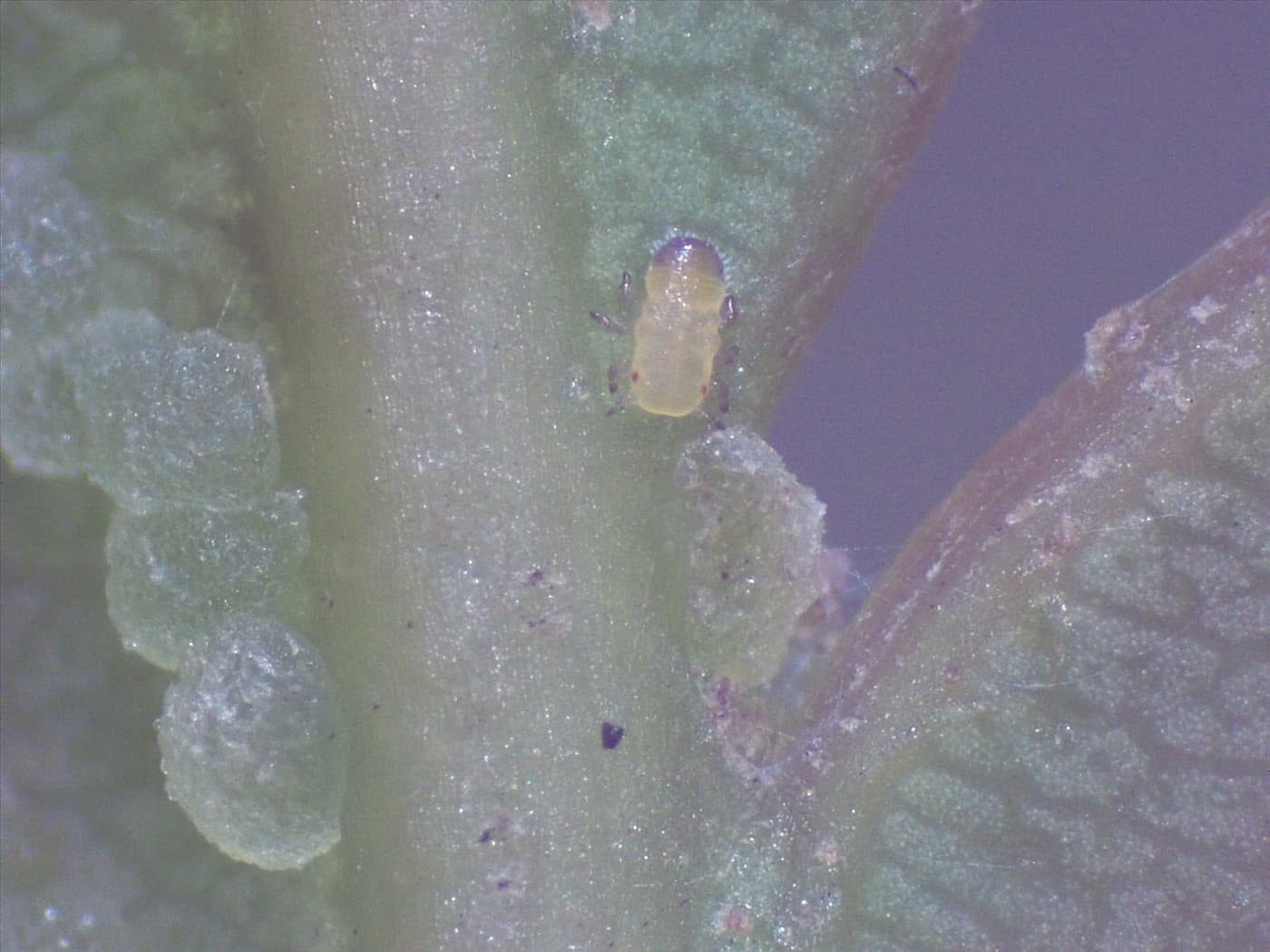
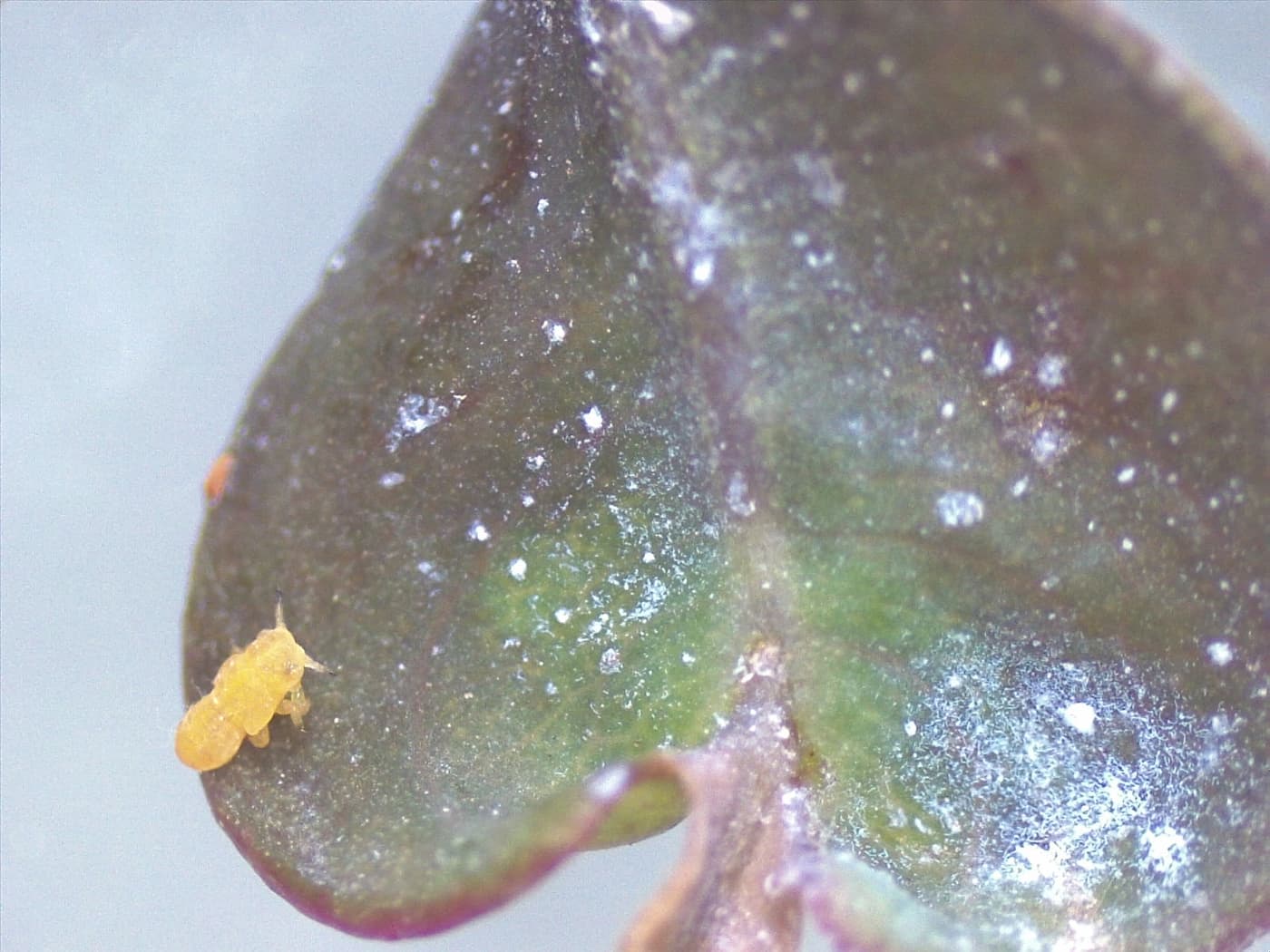
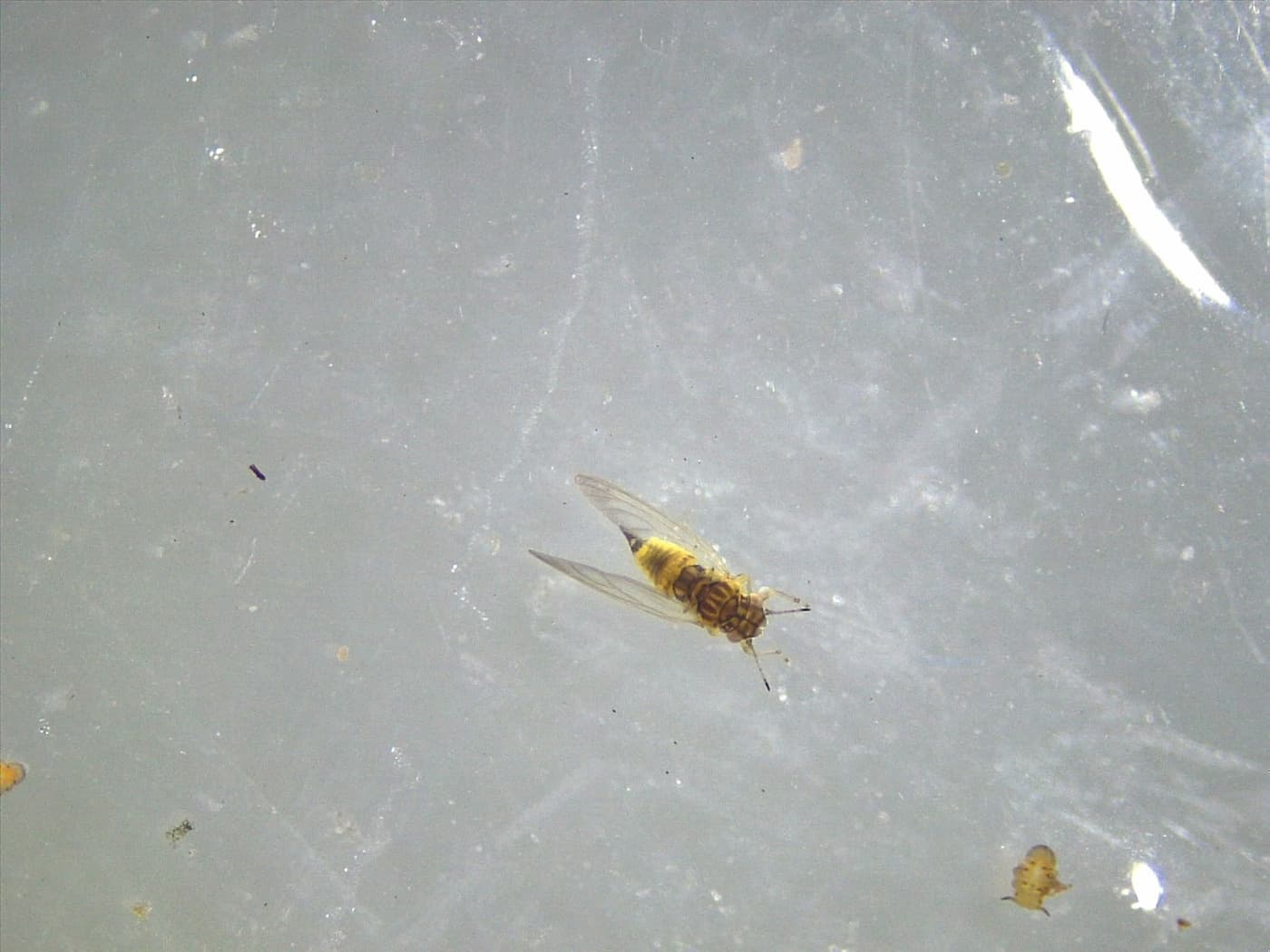
Blastopsylla occidentalis undergoes a complete metamorphic life cycle comprising several distinct developmental stages. The process begins with the egg stage, followed by 5 nymphal instars. On average, the total duration of development from egg to adult is 32 days. Adult psyllids live for about 11 days on average, during which females typically lay around 38 eggs, mostly on young plant tissues such as buds, leaves, and twigs, with oviposition commencing about 8 days post-emergence.​

The life cycle is characterized by high reproductive output and overlapping generations—up to nine may occur simultaneously on a single host, facilitating rapid population growth. Adults possess wings, enabling dispersal through flight, which can contribute to the spread of infestations across host plants and plantations. 

(Based on Dzokou et al. 2020)

Gallery

Eucalyptus shoot psyllid/ Blastopsylla occidentalis