Fabinet Logo
Tree Protection Co-operative Programme research group

Tree Protection Co-operative Programme

Eucalyptus cossid moth / Coryphodema trisitis

Download PDF

Coryphodema trisitis

Common NameEucalyptus cossid moth / Coryphodema trisitis
Scientific NameCoryphodema trisitis
SynonymsCoryphodema capensis Felder, Coryphodema punctulate Walker, Phalaena (Noctua) tristis Drury, Brachionycha punctulata Walker, Cossus seineri Grünberg, Cossus streineri Dalla Torre
Originnative in South Africa
Distribution in South AfricaKwaZulu-Natal, Mpumalanga, Western Cape

Symptoms

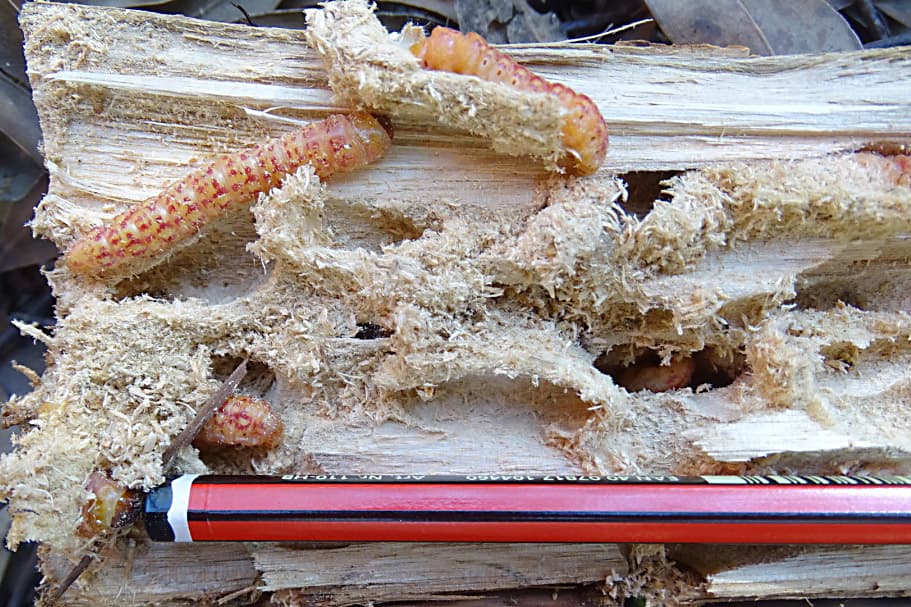
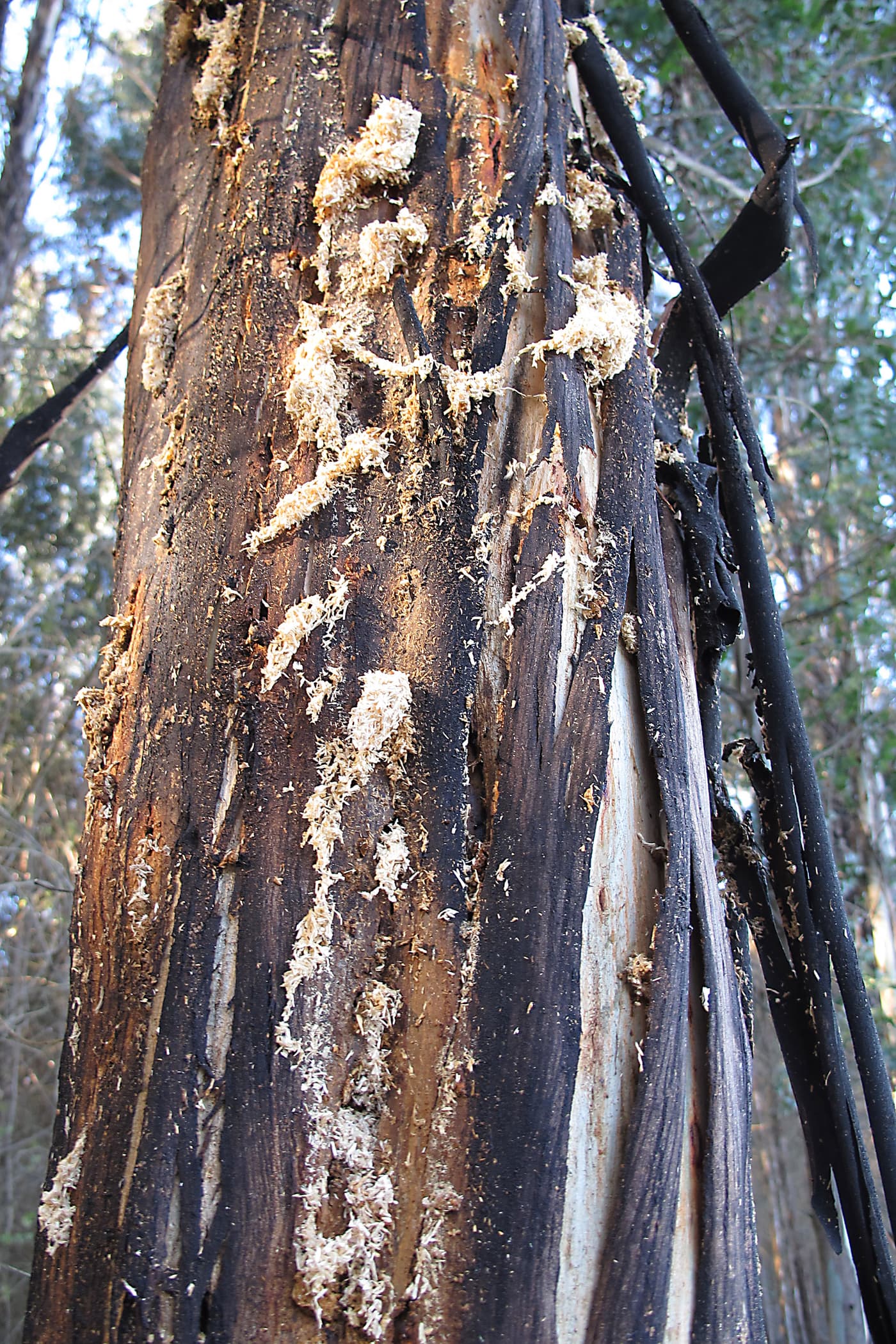
Trunk and branches of infested trees turn black, and there is considerable resin and sawdust that originates from infection. A pile of sawdust can be found at the base of infested trees. When a cross-section is made at an infection site on a branch or the main trunk, extensive tunnelling of larvae in the sapwood and heartwood is observed. Pupal casings protrude from emergence holes or can be found on the forest floor. And round holes can be observed after adult emergence (Gebeyehu et al. 2005).
Biology

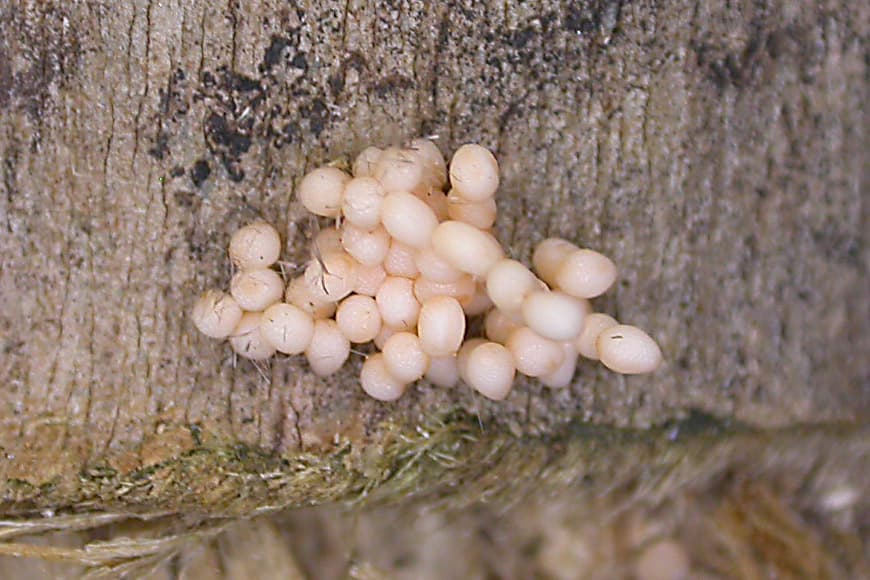
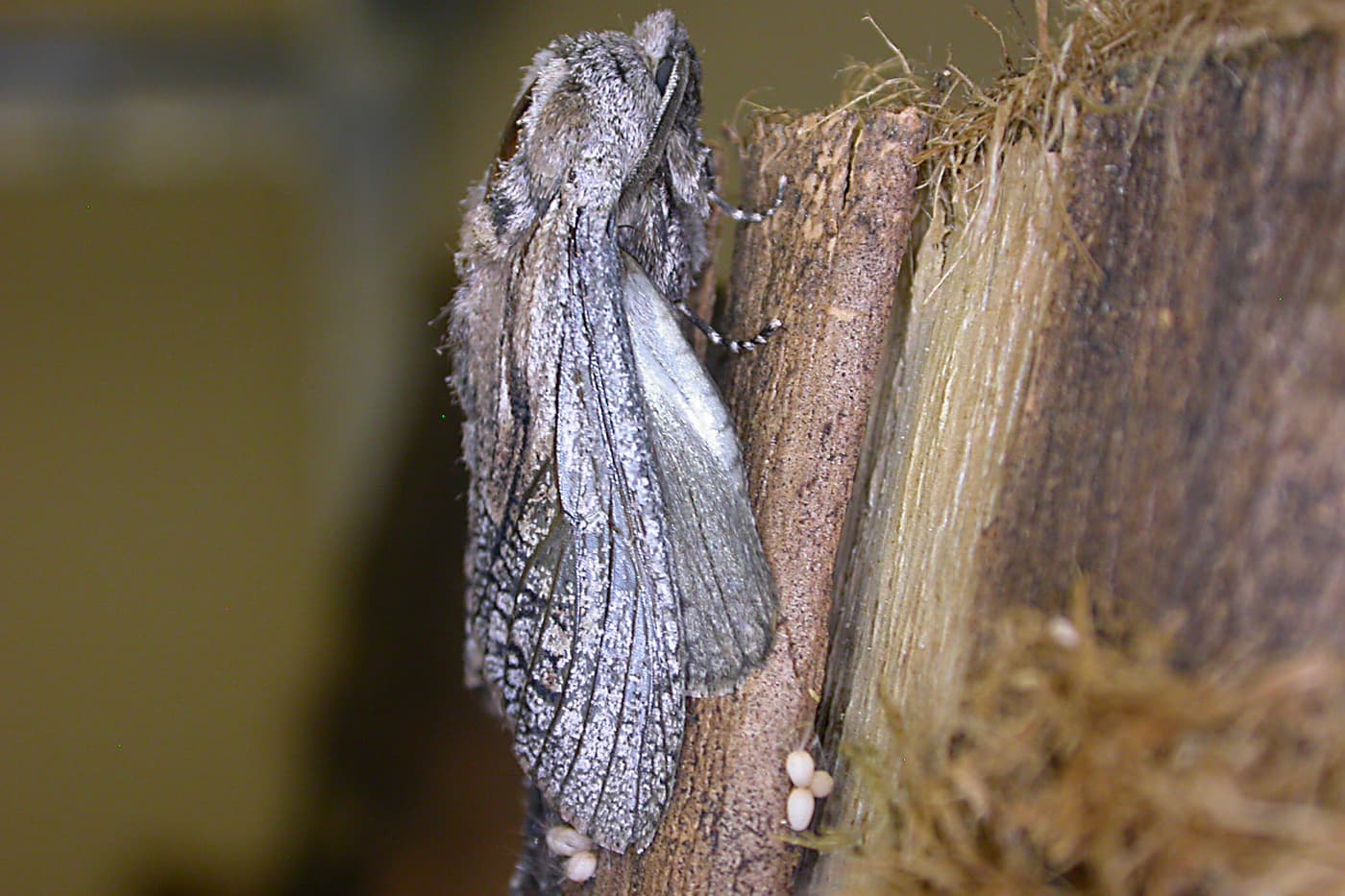
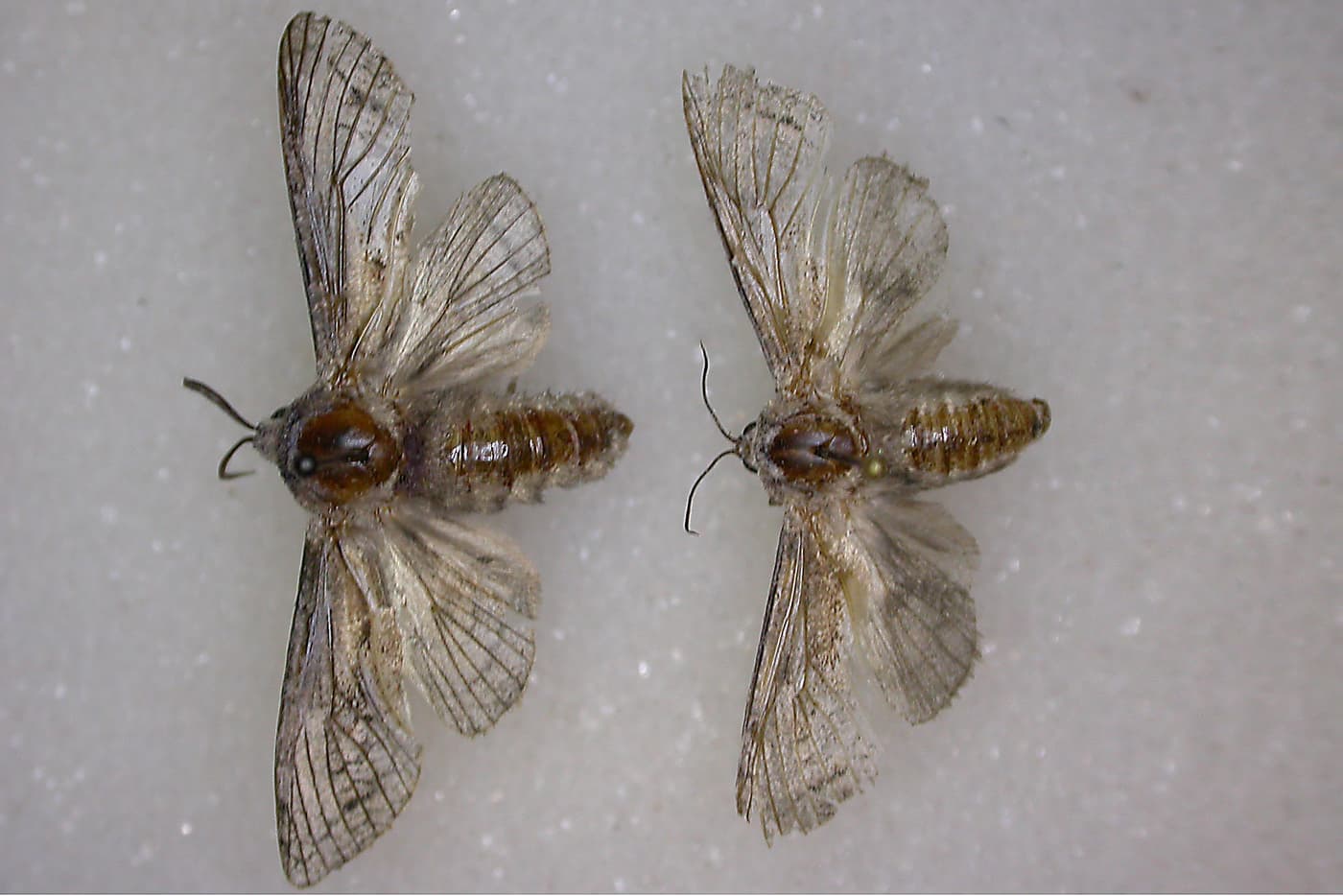
Adult female cossid moths lay eggs on the bark of trees, usually in a sheltered place such as cracks in the bark. Upon emergence, larvae bore through bark and feed on the cambium. As the larvae grow, they bore into the wood, where they cause extensive tunneling. Pupation occurs in pupal cocoons constructed inside the larval tunnels. Just prior to adult emergence, the pupae cut themselves out of the cocoons and wriggle towards the tunnel openings until their bodies project halfway out the tree. In this position, the adults emerge from the pupal cases, resulting in the shed pupal cases protruding half way out the tree or falling to the ground. The cossid moth has a two-year life cycle with adult emergence in September to December.

Larvae feeding in the cambium and the extensive tunneling in the sapwood and heartwood results in severe damage to trees and makes them prone to wind fall. Tree mortality in stands can exceed 80 %. Both the main trunks and branches are attacked. Trees from five to fourteen years old have been infested, but it is likely that the cossid will infest both younger and older trees, provided the diameters of the trunks/branches are sufficient to enable the larvae to feed. 


Management

Selection of resistant planting material (as E. nitens is the only Eucalyptus species attacked and Pinus and A. mearnsii are not hosts). In addition, a pheromone-baited trap has been developed for monitoring populations of C. tristis, and this trap has also been used in a mass-trapping management strategy (Bouwer et al. 2017).

Gallery

Eucalyptus cossid moth / Coryphodema trisitis