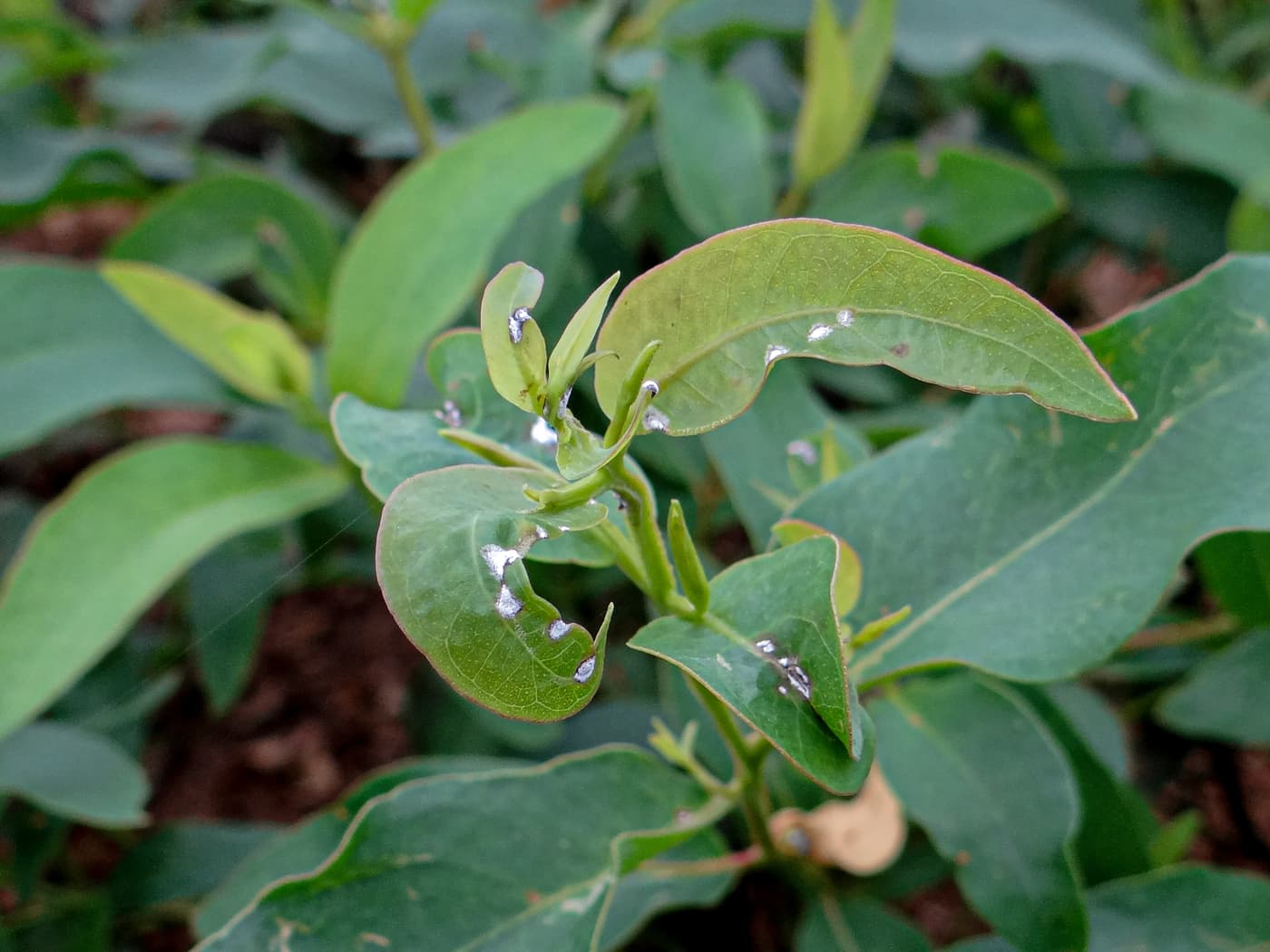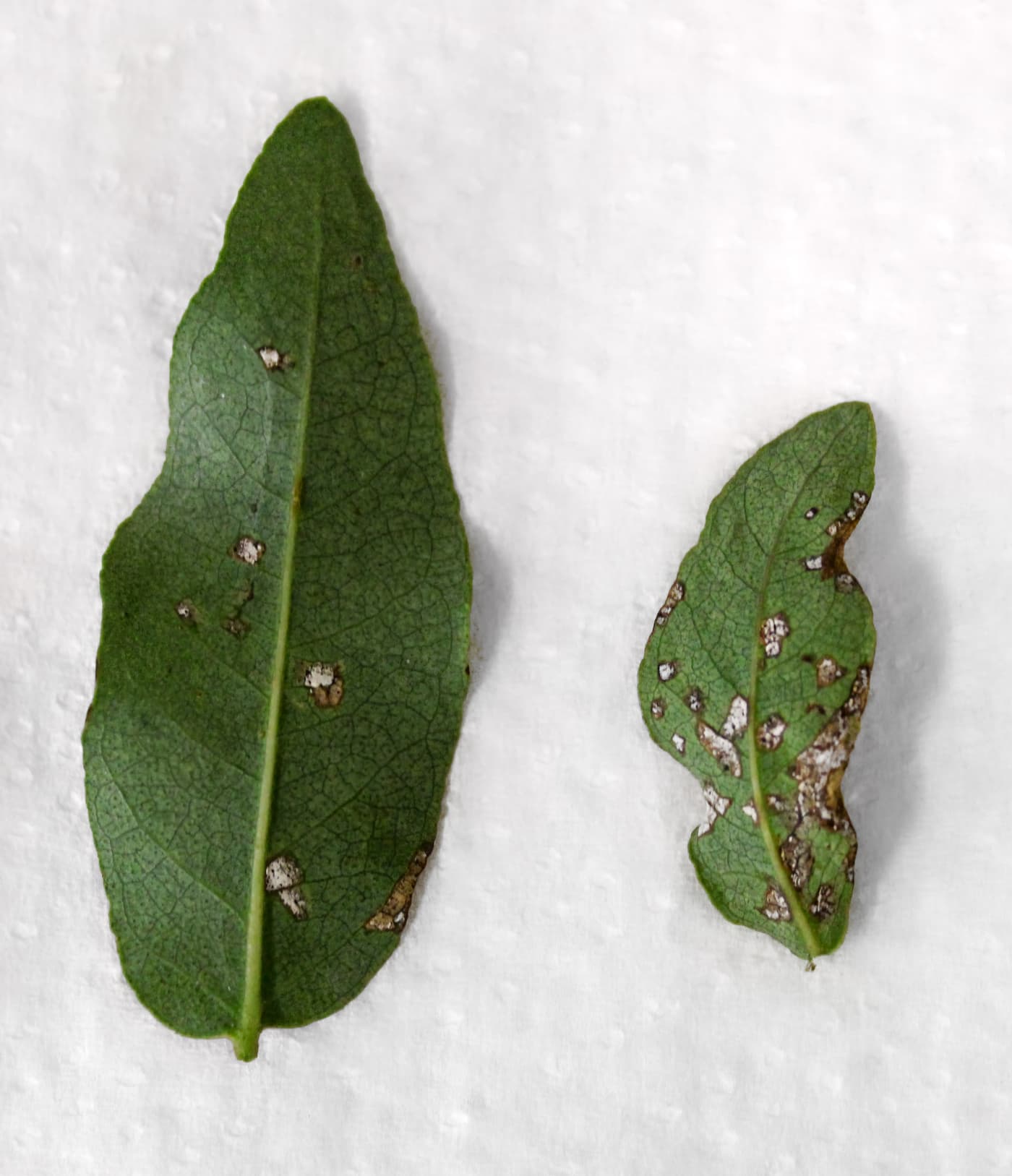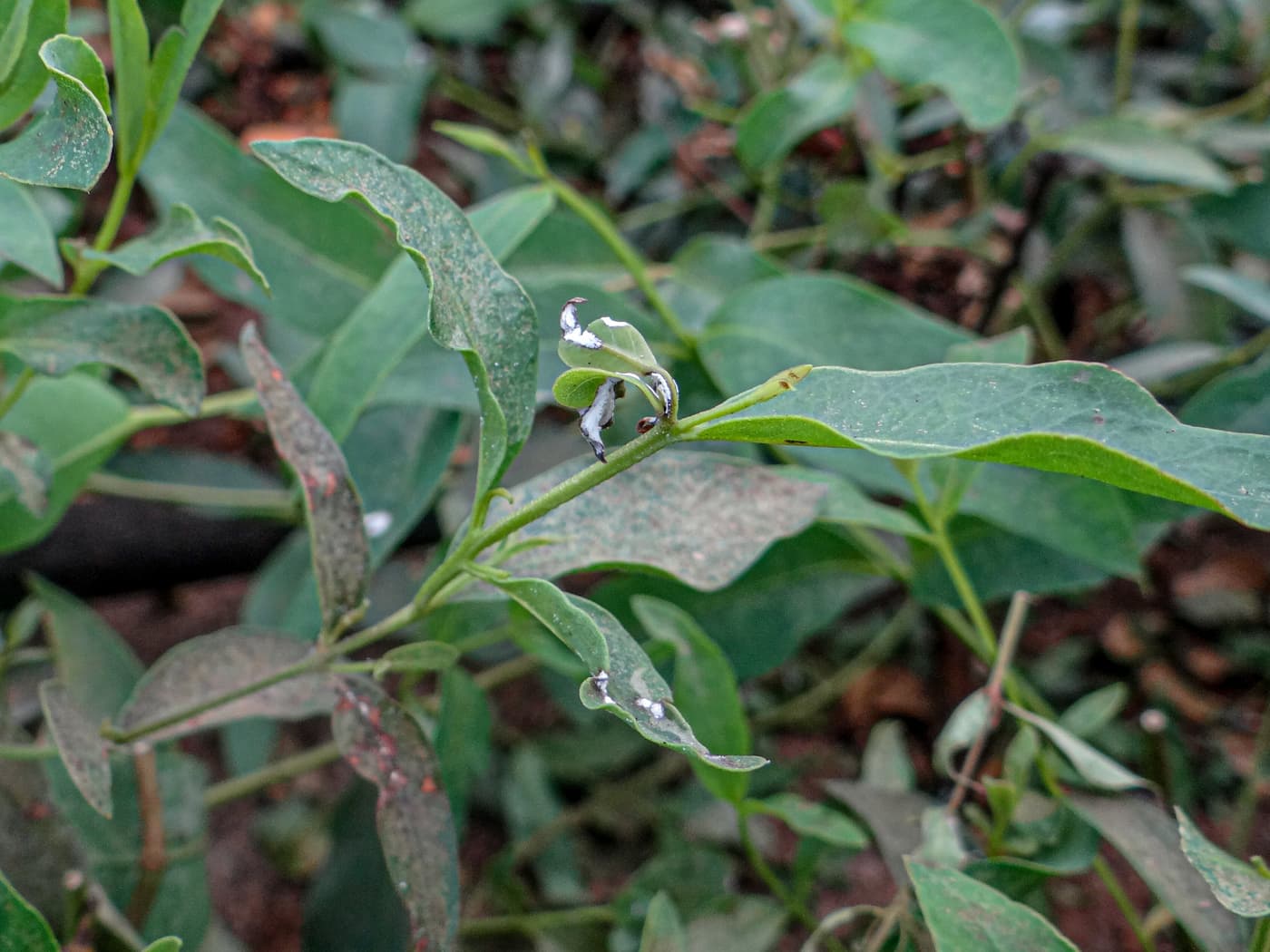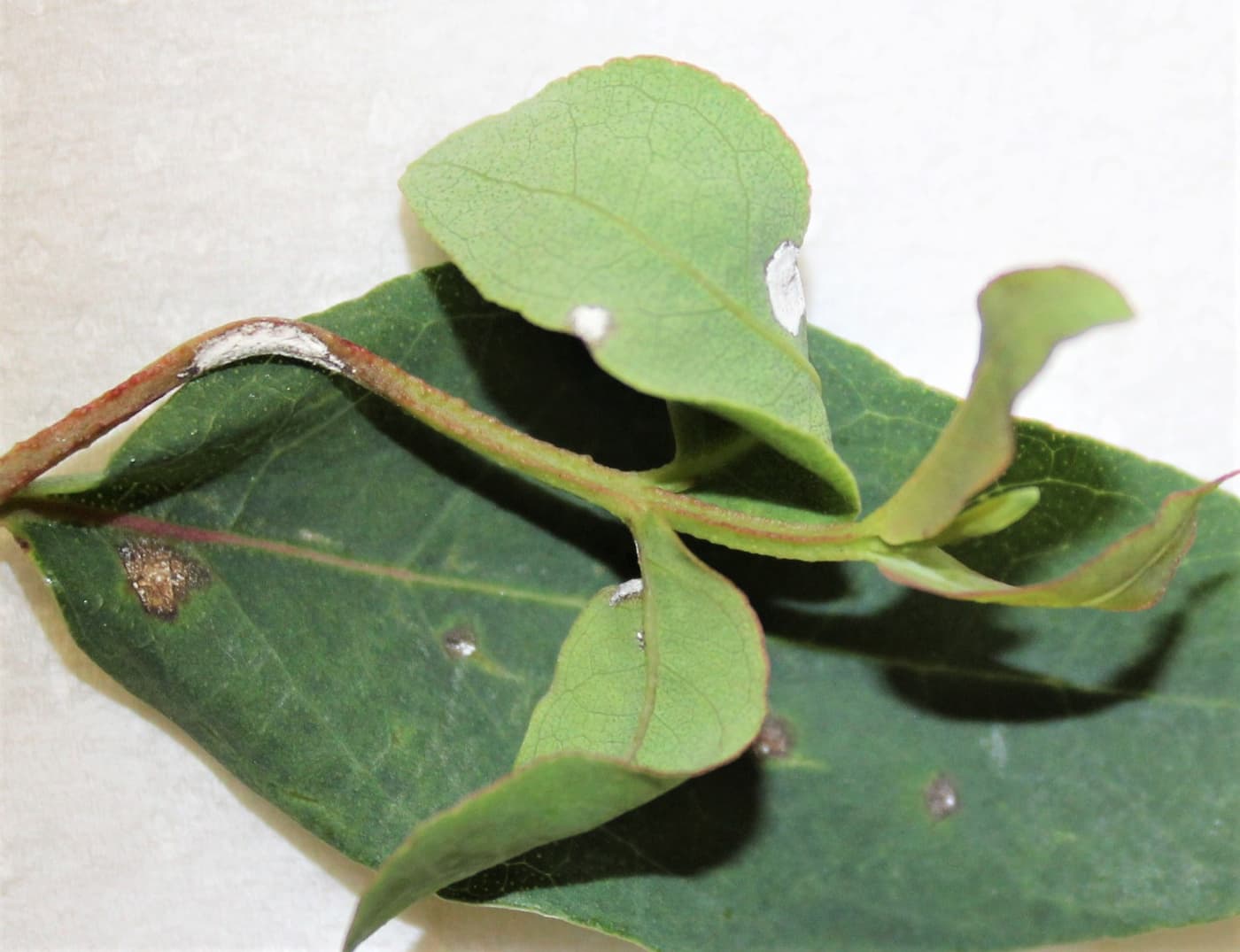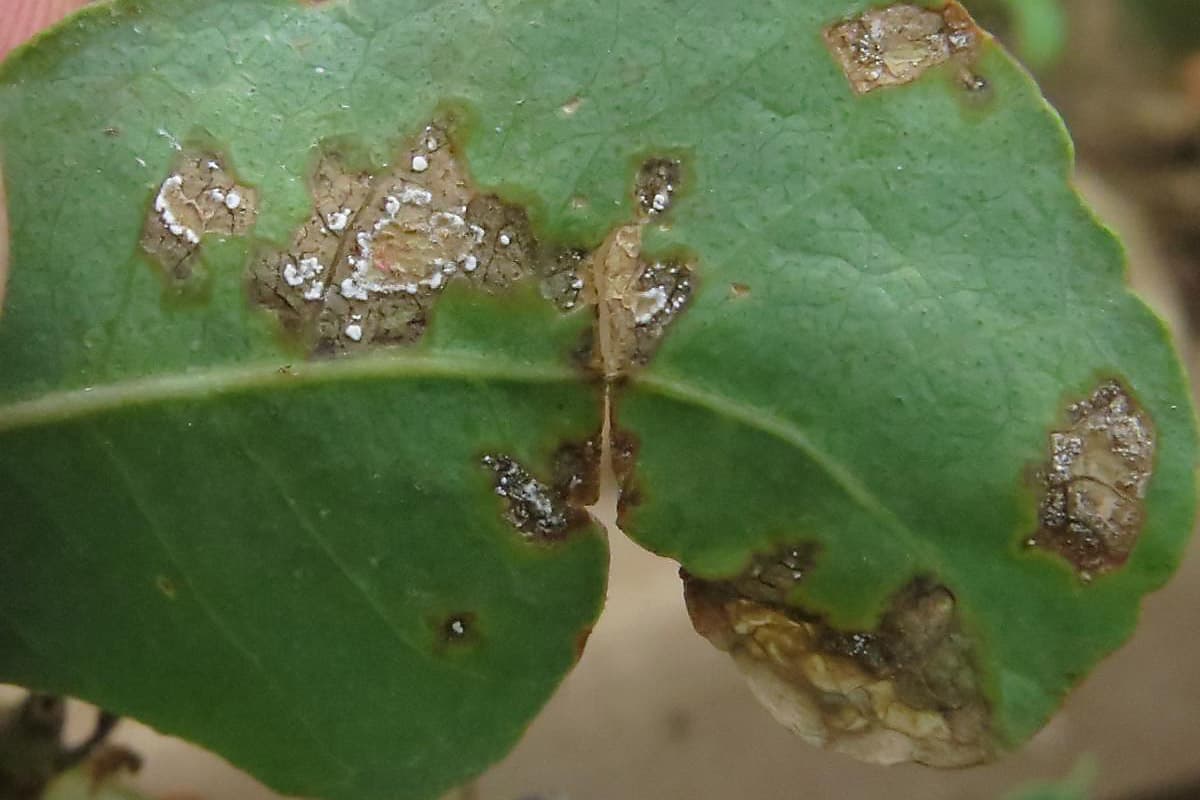
Quambalaria eucalypti causes leaf and shoot blight on susceptible Eucalyptus spp. Lesions are often produced on actively growing shoots and young leaves, resulting in shoot malformation and leaf distortion. Heavy infections can cause shoot death, leading to loss of apical dominance and stunting. May also cause sunken black cankers on the stems (Roux et al. 2006). Under humid conditions, white spore masses form within the lesions.

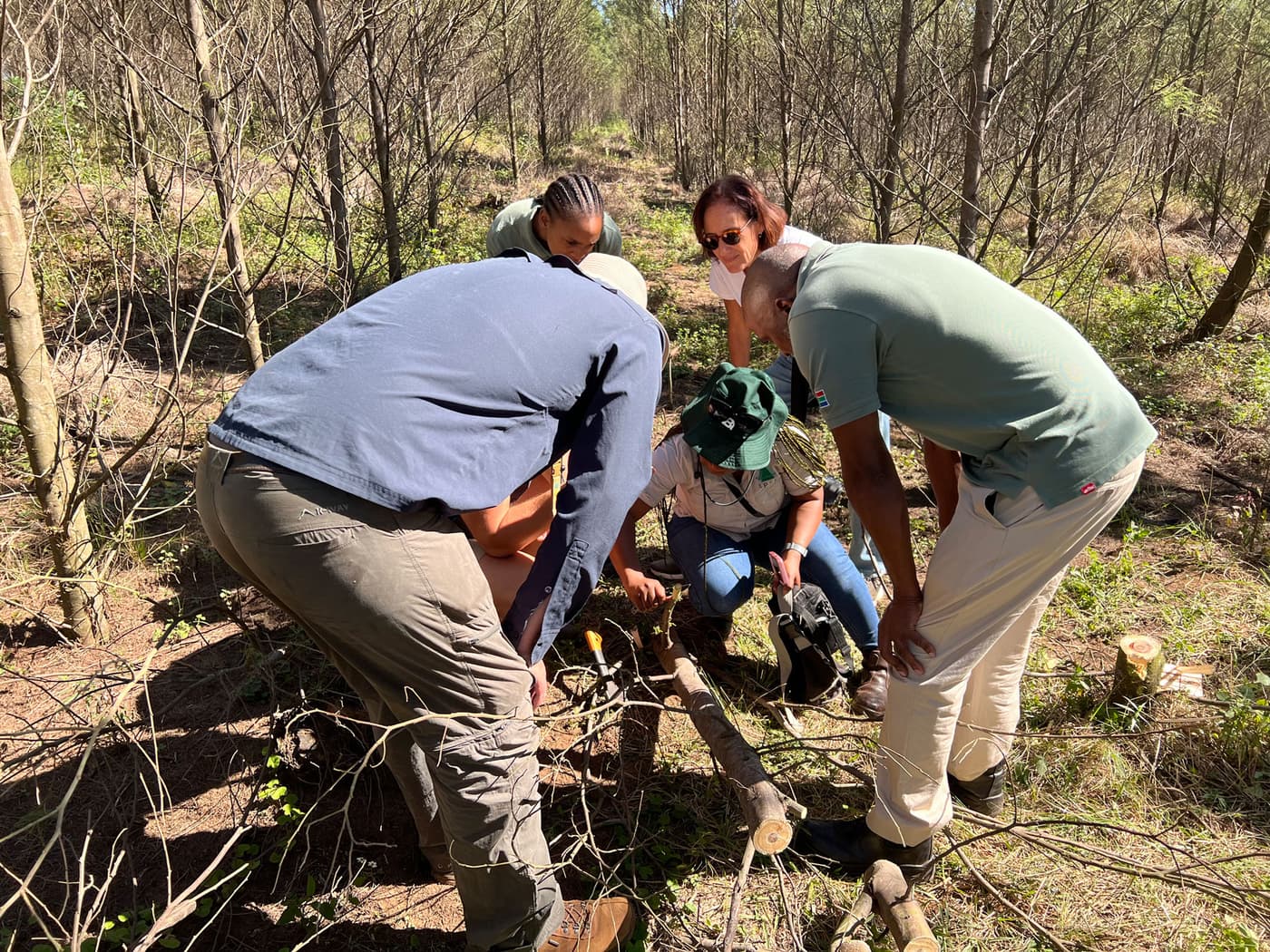
A Mpumalanga pine and eucalyptus plantation on rolling hills, a forester from behind measuring a trunk with a diameter tape (illustration)
01/02
Click to pause
Tree Protection Co-operative Programme
Quambalaria leaf and shoot blight
Quambalaria eucalypti
Common NameQuambalaria leaf and shoot blight
Scientific NameQuambalaria eucalypti
SynonymsSporothrix eucalypti (M.J. Wingfield et al. 1993) and Ramularia (De Beer et al. 2006).
OriginAustralia
Distribution in South AfricaKwaZulu Natal, Mpumalanga and Limpopo.
Symptoms
Biology
Infection by Q. eucalypti begins on young leaves and stem tissue. Conidial germination is triggered by high humidity, with penetration occurring via the stomata or wounds on the leaf surface or juvenile stems. Chlorotic spots develop within five days of infection, with necrotic lesions developing on leaves and new shoots in as little as seven days. Conidiophores and conidia can be present (as powdery white spore masses) on the shoots of infected plants approximately 14 days after infection. Quambalaria eucalypti has a rapid disease cycle (Pegg et al. 2009).
Gallery